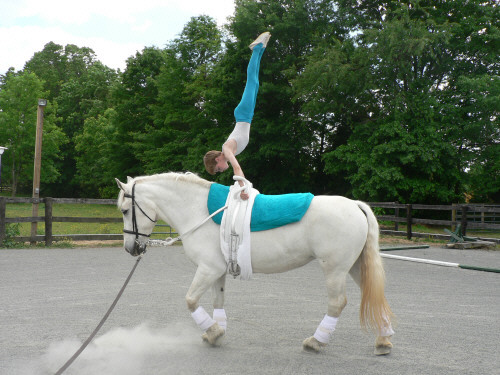
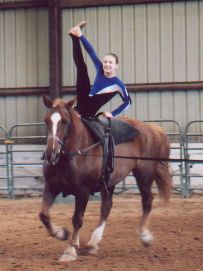
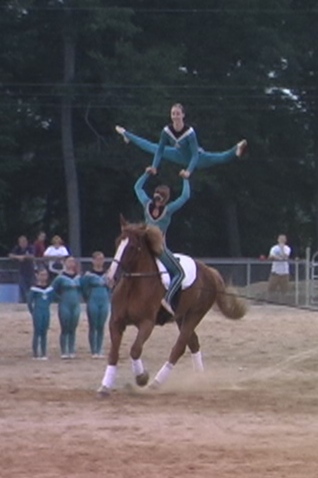
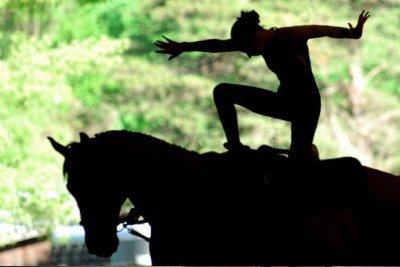
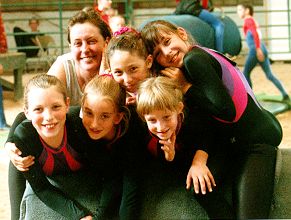
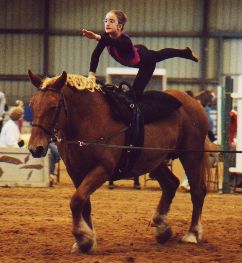
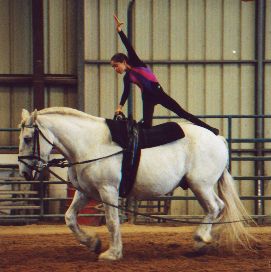
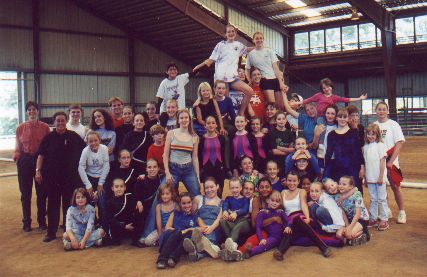
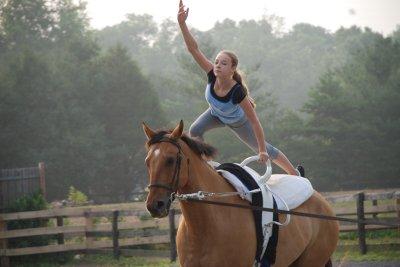
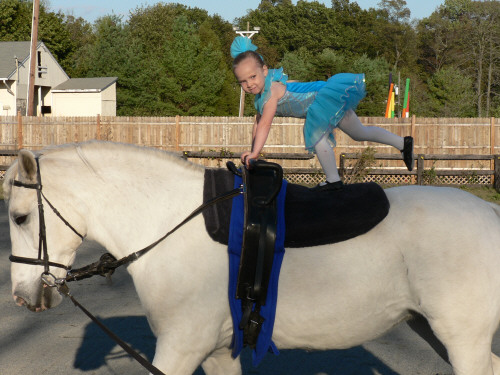
Vaulting offers a unique activity for kids of all ages and their families, especially for those who are not horse owners. Vaulting enables youth to learn about horses, make new friends and do cool things on horses safely.
The focus of these Vaulting teams is to promote character development and athleticism by working together with horses, other vaulters and through competition. Vaulters learn responsibility, teamwork, leadership, self-confidence, mentoring and many other lifeskills. Prior riding, gymnastics, dance or vaulting experience is not required.
Each team is an all-volunteer, 501(c)(3) non-profit youth sports organization sponsored by the American Vaulting Association. These teams provide specially trained horses, leaders, coaches, and a safe environment to learn about horses and participate in the exciting sport of gymnastics and dance on a moving horse.
These teams do not offer lessons or classes like a gymnastics or dance academy. New kids are encouraged to come visit, get involved, and become part of the team; learning from the volunteer coaches and other vaulters. Each team usually meets once or twice a week for 2-3 hours year-round. The teams participate in community demonstrations, events and fund-raisers. Vaulters usually compete at local competitions and many go to regional and national competitions.
For more information, contact:
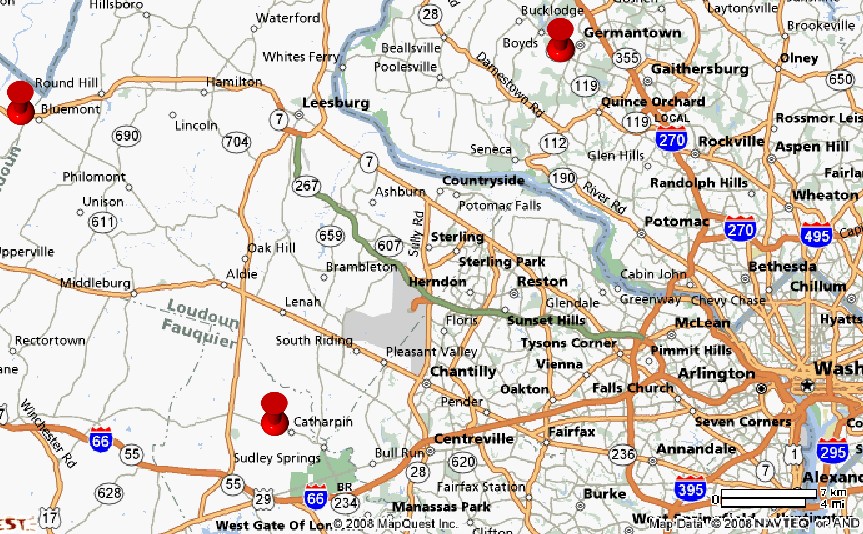
Topaz Vaulters practice location: Catharpin, VA
Great Falls Vaulters practice location: Boyds, MD
Virginia Vaulters practice location: Bluemont, VA
Frequently Asked Questions
What is Vaulting?
Many websites have done write-ups on Vaulting. Here's a link to the
Who can Vault?
Vaulting is an activity for everyone at any age. These teams are geared for kids ages 8 and older. Topaz Vaulters also welcomes kids as young as 5 who have the ability to focus.
How do I get started?
Listed above are the practice locations for each team and a map button which shows the locations on a map of the Washington DC area. Find those teams within your driving range and come out for a visit. Call the phone number listed to get directions, dates and times. Each team has it's own distinctive personality, horses, and facilities.
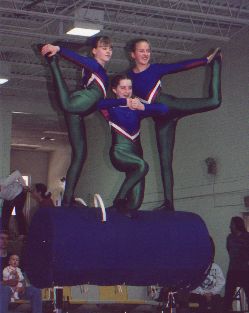
Vaulters will first develop their skills and learn each new vaulting excercise on the practice barrel, then move to the horse at the walk, trot and eventually canter. There is no set schedule for moving upward; progression is based on the vaulter's individual abilities.
Is Vaulting safe?
Yes, Vaulting has an excellent safety record. All Vaulting teams sponsored by the American Vaulting Association are required to submit safety reports consisting of contact hours record and illness/injury report. Each year the results are published in Vaulting World magazine.
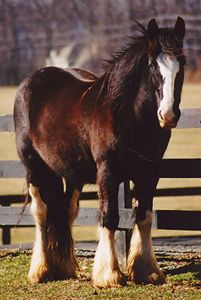
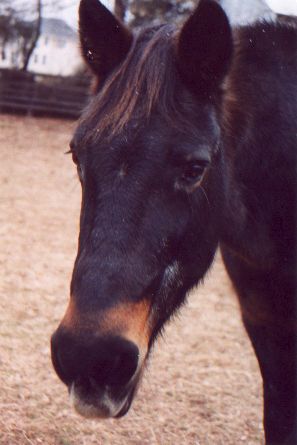
Studies have shown Vaulting to be one of the safest of all the equestrian disciplines. This is due to the nature of vaulting. The horse is controlled by an experienced longeur and not by the vaulter. Vaulting is performed in a ring with soft footing and free of any obstacles. Vaulting horses are required to be of a gentle disposition, at least six years old and be a mare or gelding. Vaulters are trained in the proper techniques to fall and roll from the horse. Vaulters first learn vaulting exercises and movements on a stationary vaulting barrel, then practice them on the horse at the walk, trot and canter. The risk of serious injury vaulting is minimal compared to riding in a car, roller-blading or riding a bike.
Why are helmets not worn when Vaulting?
How much does Vaulting cost?
These teams have an annual sponsorship to help defray some of the year-round care and support of the horses, equipment and facilities. This amount varies by team and each team has their own collection method which could be monthly, quarterly, etc. Vaulters usually compete at local competitions and many go to regional and national competitions.
Where can I find books or videos on Vaulting?
Copyright (c) 2008 All rights reserved. Parts re-used with permission from the American Vaulting Association
|